

Welcome back to The B2B Stack. It’s been 3 weeks — a combination of a busy H1 finish, a very full product roadmap at FunnelFuel, and, a busy period of work travel between NYC and Cannes Lions. I’m just back from the latter, and wanted to put pen to paper on my takeaways for B2B and why we belong in that ‘room’
What you’ll learn in this newsletter:
How Cannes Lions has shifted from a loosely structured European networking event to a far more corporate, US-dominated affair
Why the infrastructure of the event has changed, restaurants, yachts, apartments, and what that means practically
Why B2B is no longer just background noise at Cannes, and what that shift signals
The practical tips that will make or break your 2027 experience if you’re planning to go
Why being present at Cannes as a B2B vendor or agency is worth the investment — and how to maximise it
I last attended Cannes Lions in 2019. I’d been going consistently for seven or eight years before that. In June this year I went back, making a last minute decision having had one or two very large meeting requests. On the back of a week in NYC, it was a stretch, but I am very glad I did bite the bullet.
Seven years is a long time in adtech. It turns out it’s also a long time in the south of France.
The Cannes I returned to in 2026 is a fundamentally different event to the one I left. Not in location, not in weather (still 35 degrees, still punishing), and not in the volume of rosé consumed (equally if not more so punishing). But in character, in structure, and increasingly, in who is setting the agenda, it’s changed substantially. For those of us who operate in B2B, that shift is actually quite good news.
From linen and flip-flops to long sleeves and structured agendas
The Cannes of the mid-2010s had a particular energy. It was informal by design. Relationships were built in restaurants along the Croisette, in bars that you’d migrate between, in the kind of loosely arranged lunches where the meeting itself was secondary to the ambient networking. La Californie — a restaurant I spent a lot of time in across those years — was the kind of place you’d walk past and end up staying for three hours.
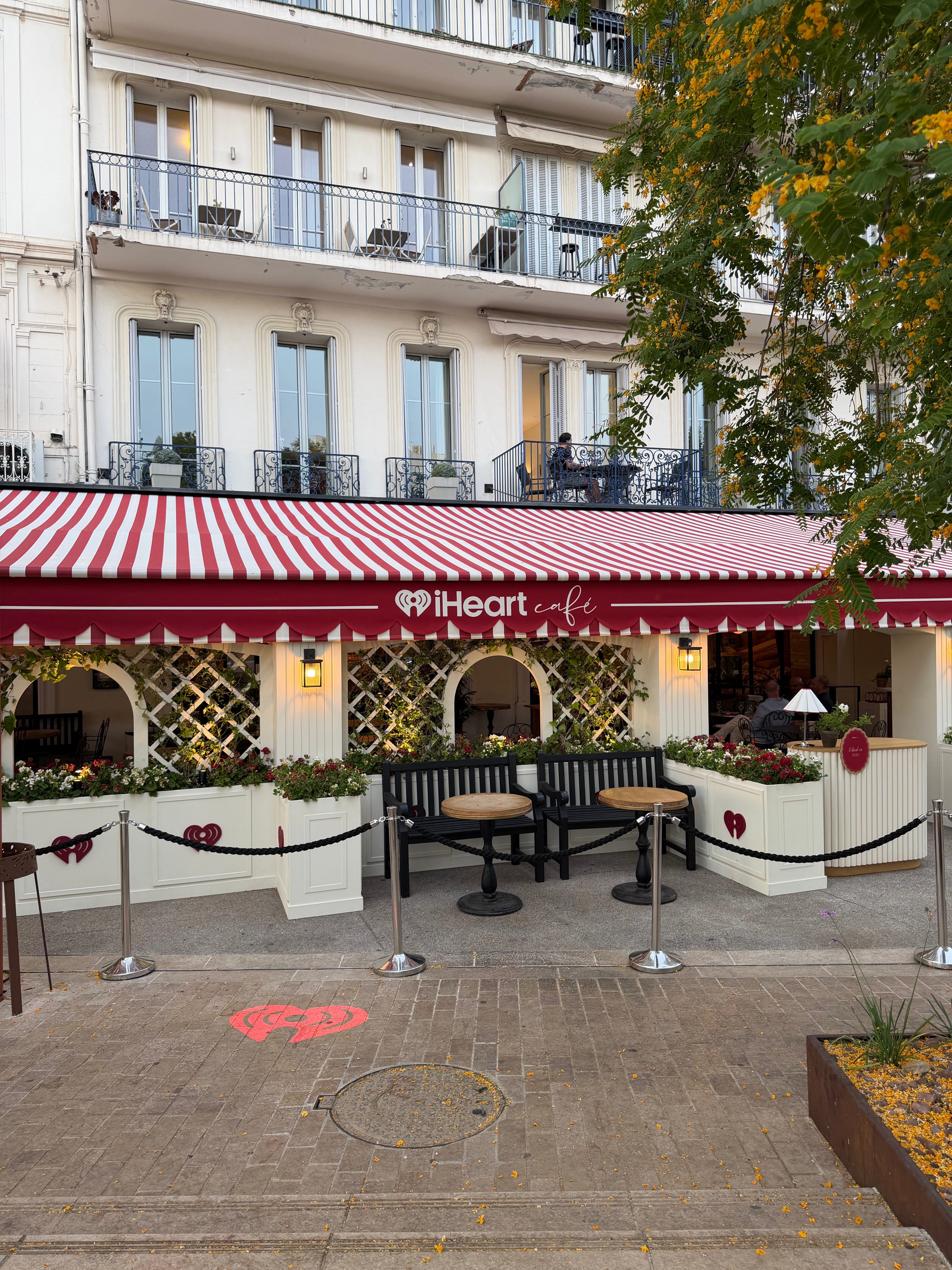
That La Californie no longer exists in the same form. This year it was the iHeart Media café: fully rebranded, blocked to the public, operating as an appointment-only meeting space. That’s not a one-off story. Similar things happened to a number of the traditional British adtech haunts — including Roma, the go-to for years among the UK ad tech crowd — which were absorbed or transformed by brand takeovers, in their case by F1 which branded it as ‘the Paddock bar’
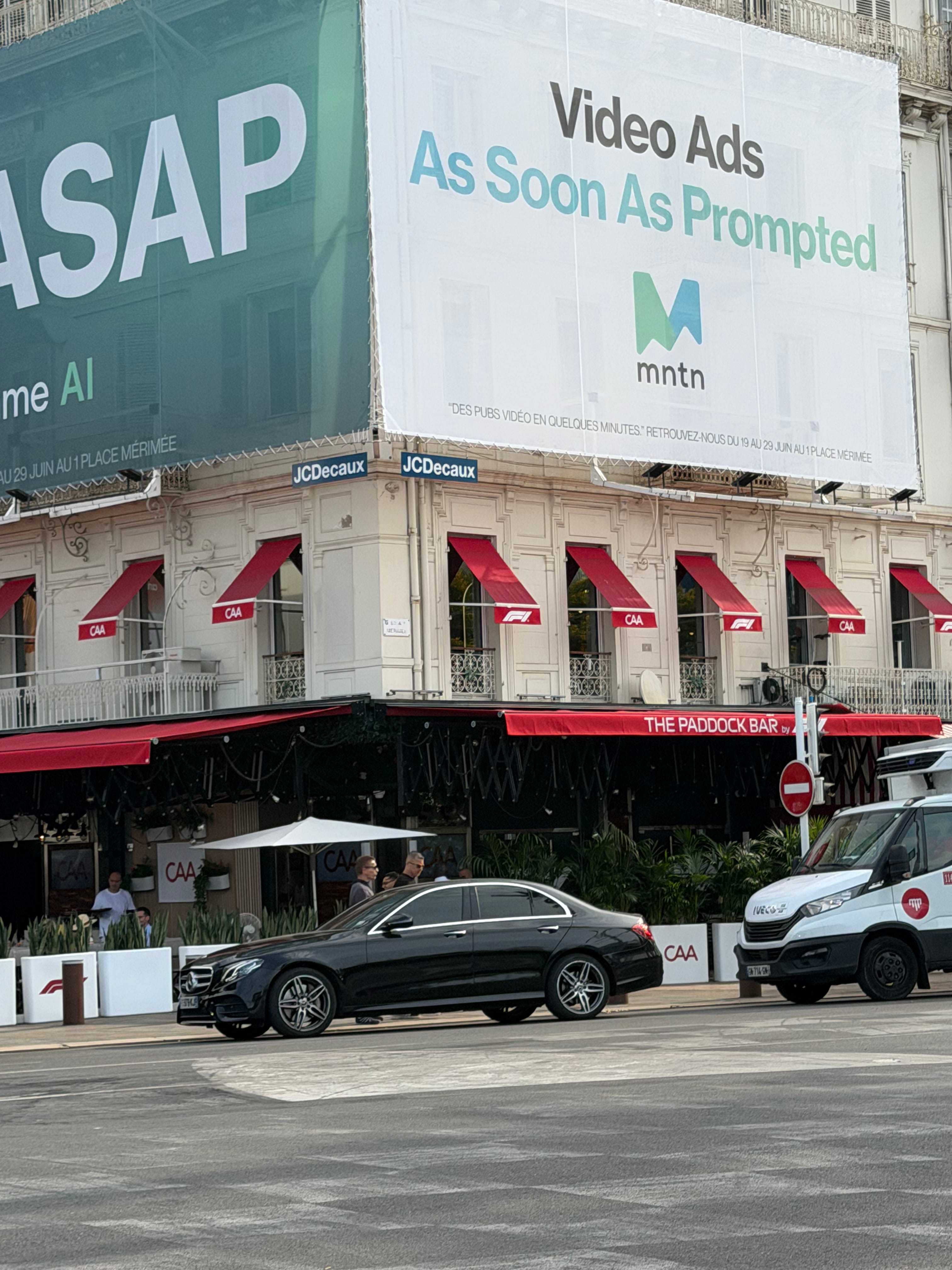
The event has, in short, been Americanised. I mean that in a specific and not unkind way. There was a visible and significant US corporate presence in 2026 that wasn’t there in anything like this form in 2019. C-suite and president-level executives from major American companies were present at scale, and they brought their culture with them. Multiple people mentioned brands that had instructed their travelling party to wear long-sleeve shirts and trousers even in 38-degree heat. Apartments off the Croisette became proper meeting rooms — air-conditioned, structured, scheduled.
What this practically means is that the old Cannes playbook — show up, hover around the usual spots, let conversations happen — doesn’t really work anymore. The restaurants you might have relied on as meeting points have been annexed. The ambient collisions are harder to engineer. The event now runs more like a very well-located conference with a lot of private sides to it.
The yachts have changed hands
When I was last there regularly, the yacht presence was dominated by UK publishing groups. The Daily Mail at its DMG Media peak. News Corp’s Sun. That era had a particular character — big media owner hospitality, trade press dinners, an Anglocentric flavour to the top table conversations.
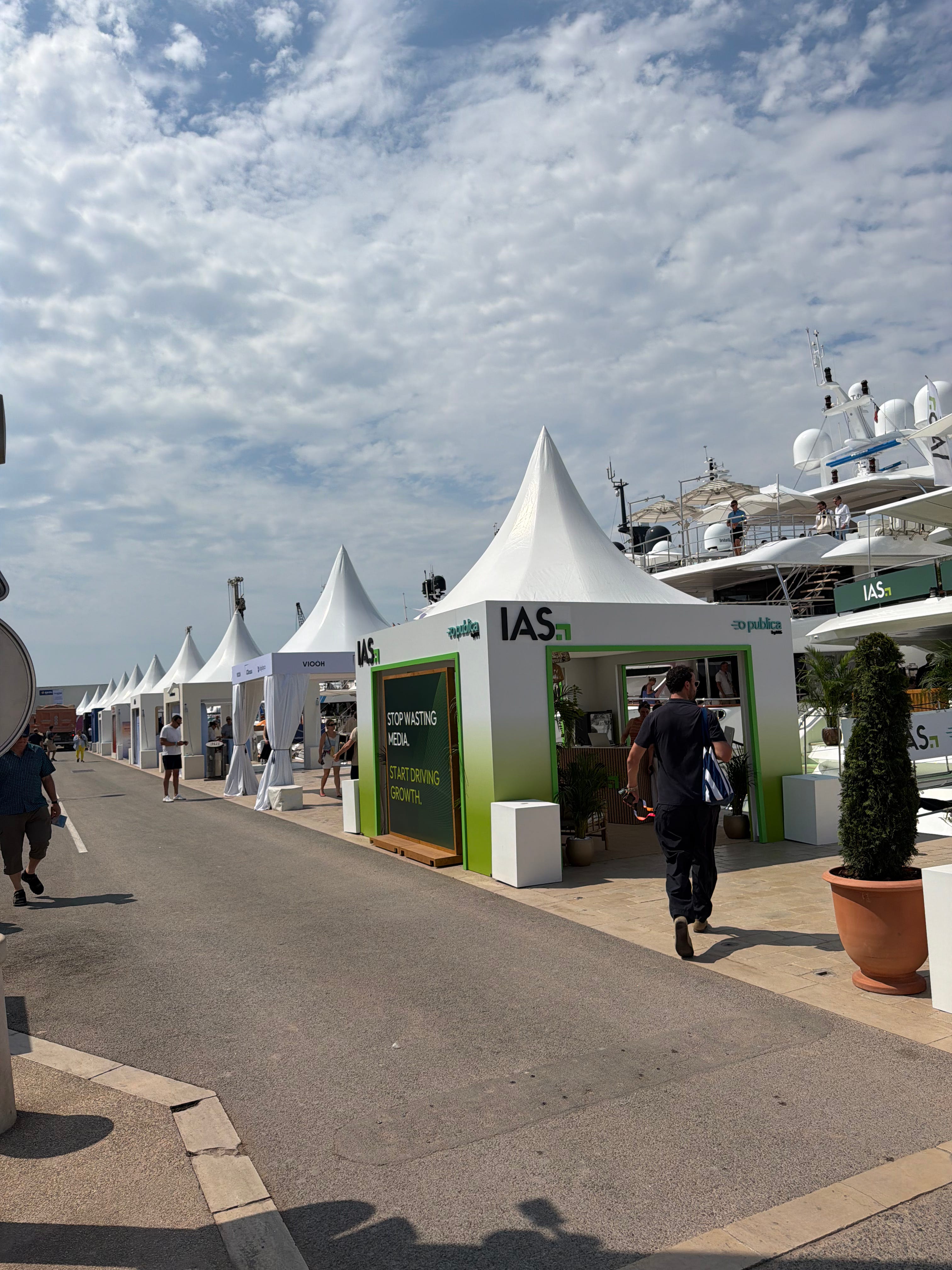
That has shifted. In 2026 you had the Mercedes-Benz Formula One team. HBO operating under the White Lotus banner. Formula One as an entity was almost strangely prevalent given it’s not an advertising platform - from the paddock bar to the boats. The big media-only publishing groups have largely receded from the yacht and prime hospitality tier. What replaced them is a more diverse, more entertainment-weighted, more American set of presences that probably reflects changing media preferences and the changing fabric of the addressable internet - from banners on news sites to television and podcasts.
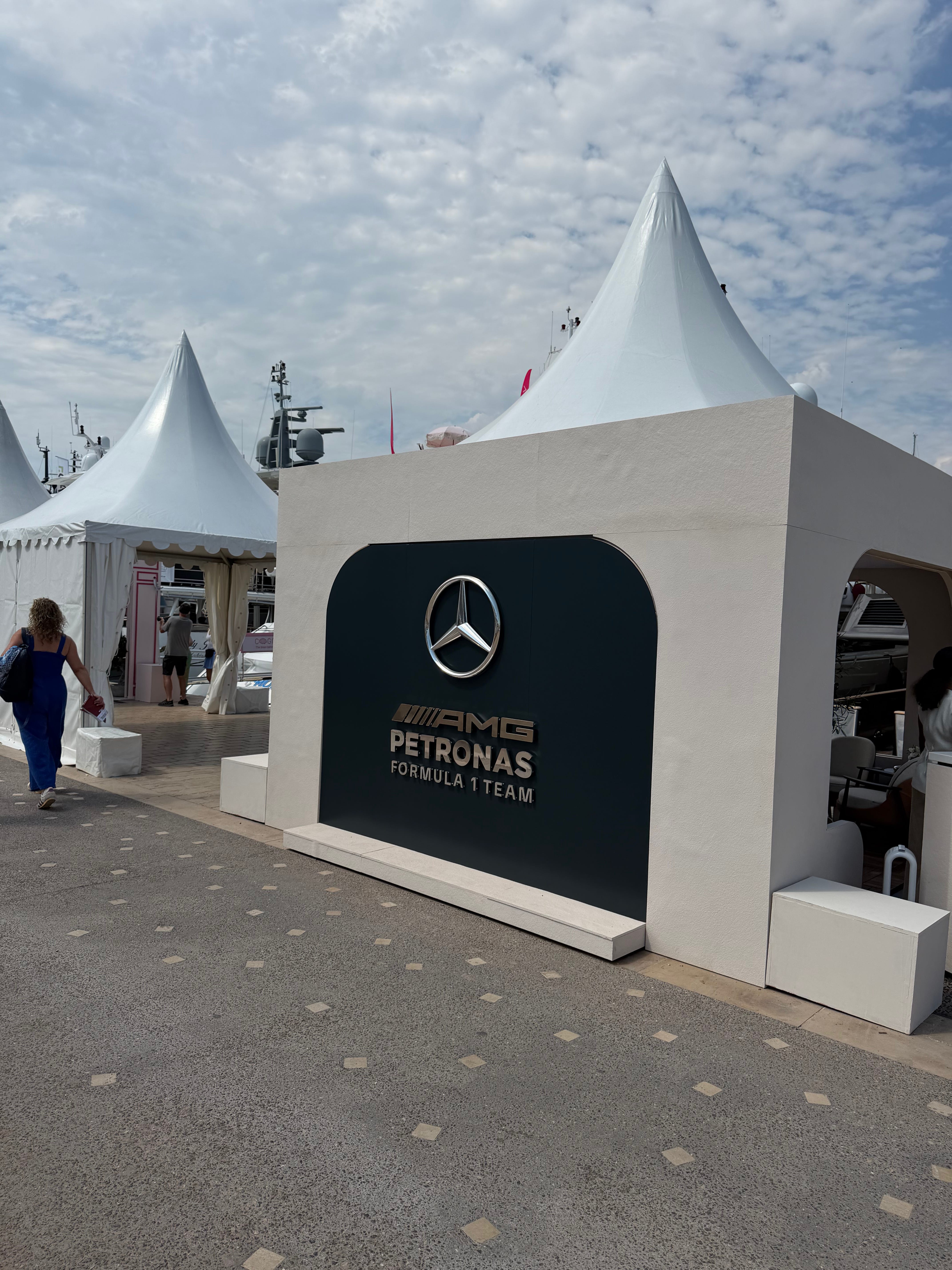
The adtech layer is still there — particularly the bigger network-facing platforms — but the heyday of UK publishing groups throwing lavish hospitality at the front of the festival feels like it’s passed.
B2B is finally leaning in
Here’s what I think is the more important story for this newsletter’s audience.
B2B’s presence at Cannes has grown meaningfully. LinkedIn in particular had a significantly larger and more visible presence than I’d seen in prior years. When I was attending regularly, LinkedIn was a quiet few boots on the ground stretching to maybe a small apartment presence. By 2019 they’d grown a little. In 2026 they were actively leading conversations, not just attending them.
The official Lions B2B programme at this year’s festival reflects a genuine industry shift — B2B marketing has moved beyond traditional lead generation, and brands are increasingly being challenged to connect creativity with measurable business outcomes while elevating marketing’s influence at boardroom level.
For a long time, B2B marketing was treated as more rational, more product-led, more technical, and somehow less creative than consumer marketing. That assumption has been breaking down, and the presence of dedicated B2B programming at Cannes is a meaningful signal that the industry now sees B2B creativity as a growth area rather than a niche exception.
From the conversations I had there — with B2B vendors, agencies, and platform teams — there’s a genuine appetite for the kind of B2B-specific discussions about supply path, signal infrastructure, and audience architecture that would have felt niche or premature at Cannes five years ago. That wasn’t happening on the main stage necessarily, but it was happening in the apartments. Below is the very plush Index Exchange apartment which proved a real asset for them and their meetings
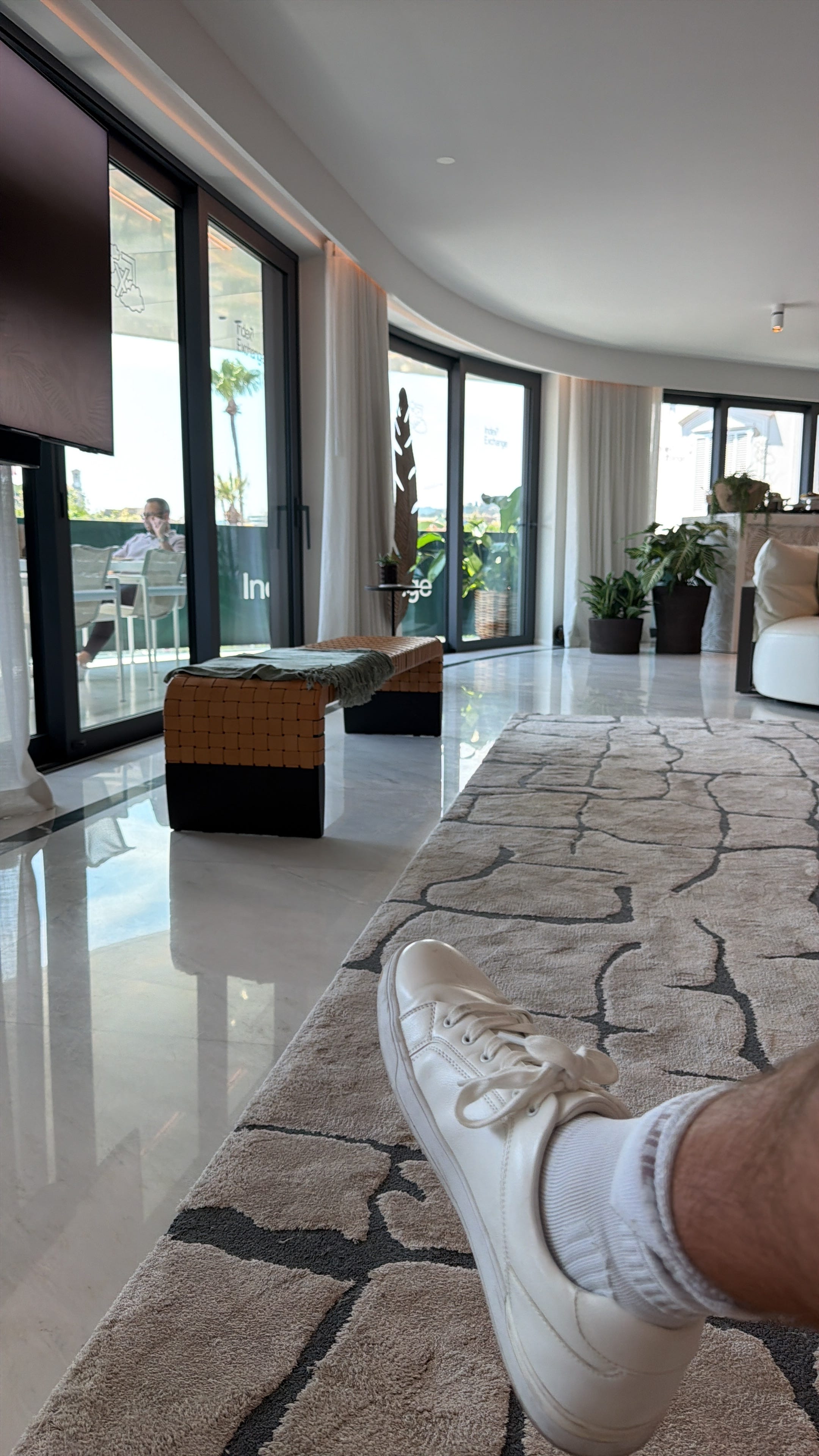
This matters. Cannes is where deals get structured, partnerships get seeded, and commercial relationships shift from transactional to strategic. If B2B as a category is now actively represented in that conversation, that’s access to a room that was previously more difficult to get into.
The practical reality: what works and what doesn’t in 2026
I’m going to be direct about the operational side because I think it’s genuinely useful for anyone planning to go in 2027.
WhatsApp is the operating system. Everything runs through it. Dropping pins for locations. Rearranging meetings that moved because someone’s dinner ran long the night before. Getting a last-minute message from someone who’s just landed and has a gap in their day. If you’re not on WhatsApp and actively monitoring it, you will miss things. One thing I noticed: UK phone signal in Cannes can be patchy. Email was frequently unreliable for me. WhatsApp, being lighter on the protocol, was more resilient. Lean into it.
Best-laid plans don’t survive the first morning. The ideal Cannes schedule is one that has structure in the form of confirmed anchor meetings and genuine flexibility around everything else. Early morning meetings in particular are at risk — people who got into the Rosé a bit earlier than planned the night before don’t always materialise at 8am as intended. Build in buffer and don’t over-schedule the first half of each day.
Marketing cut-through is very tough. From postering big boats to 20m euro apartments, to big events, to villa parties, to half day boat cruises - getting seen and heard is tough out there. Kargo’s drone show was quite spectacular and caught my attention, and Snapchat were smart to sponsor the bus-train which gets plenty of use. There’s definitely room for some guerrilla like tactics if your Cannes marketing budget doesn’t stretch into the 7 figures
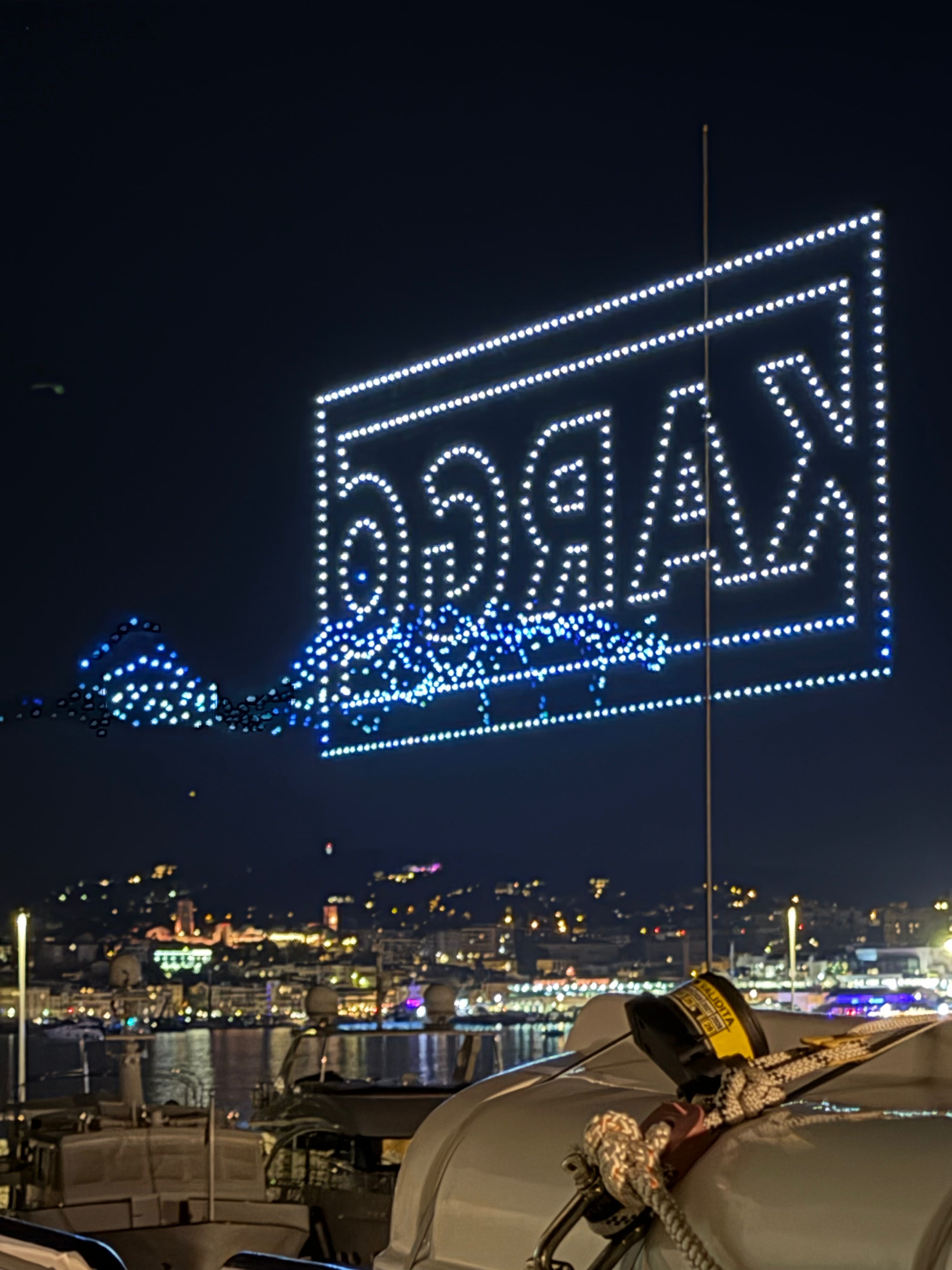
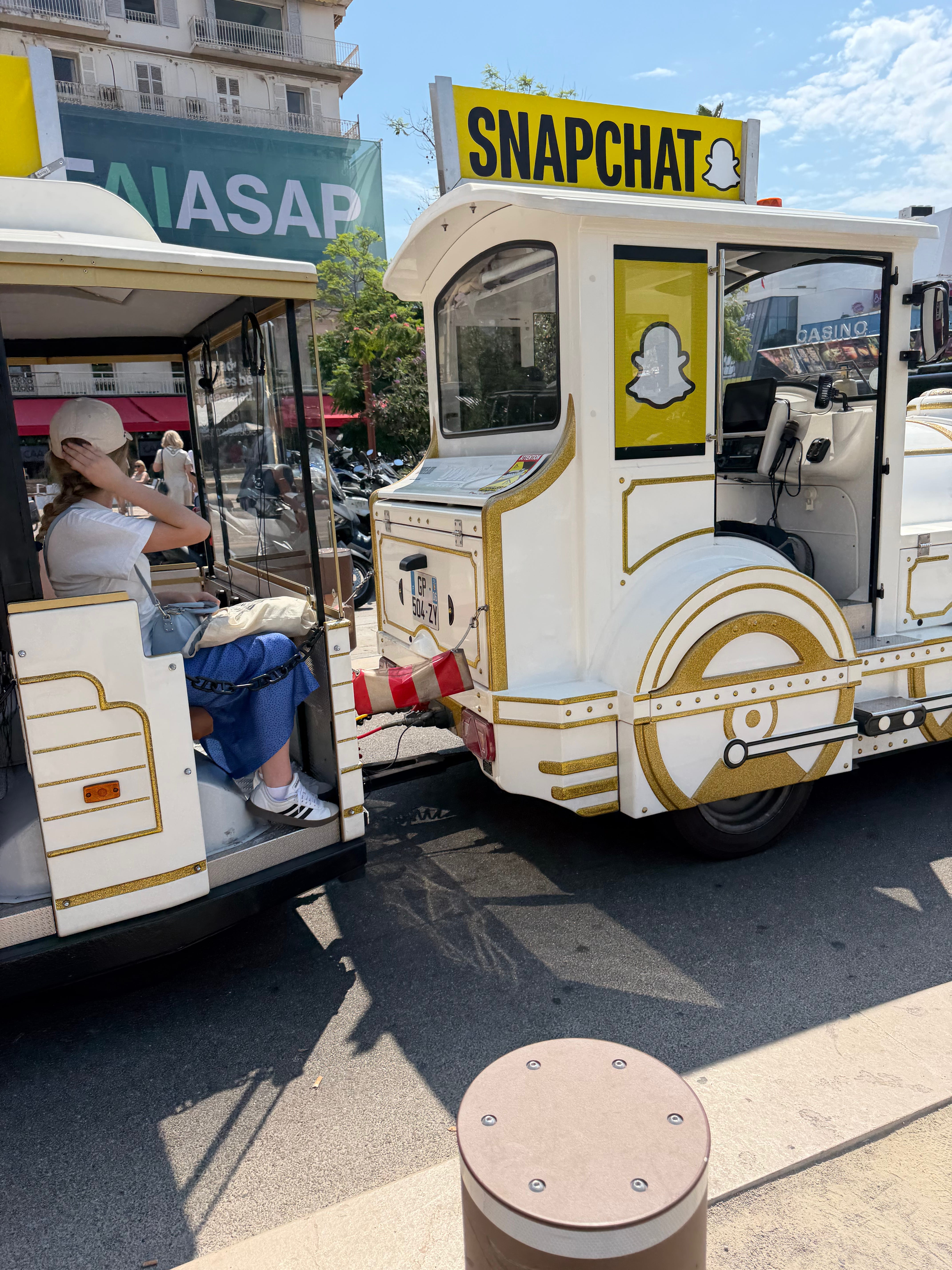
Accommodation matters more than you think. I booked late this year — reactive decision to attend, no regrets, but I ended up two miles down the coast. That’s manageable if you’re willing to walk in the morning (I was, in the heat) but getting back became a constant logistical consideration. Uber was unreliable in the mornings heading in, somewhat better in the evenings heading out. Colleagues who had booked hotels and apartments two or three miles out were reporting real friction — too hot to walk, too unreliable to Uber, no gap between end of meetings and evening events to freshen up.
The closer to the centre you are, the more you can operate at the pace the event actually demands. If you’re planning for 2027: book early, be wary of Airbnbs that can be cancelled at late notice, and try to establish a direct relationship with the property.
An apartment beats a hotel room. If you can get a well-located apartment rather than a standard hotel room, do it. The ability to have meetings in an air-conditioned space you control — rather than fighting for a corner of a packed restaurant bar — is a genuine competitive advantage. If you’re negotiating something significant, doing it in a space that feels like your turf rather than a neutral or even adverse venue changes the dynamic in ways that are hard to quantify but easy to feel.
The window between end of day and evening events is gold. Cannes runs long — dinners, parties, yacht events go late. If you’re in a good location, a 45-minute reset between the afternoon’s meetings and the evening’s commitments makes a meaningful difference to how you show up across the week. Lose that window to a complicated commute and you’ll feel it by day three. By Thursday I was anti-social and ready to go home, as I had no breaks all week.
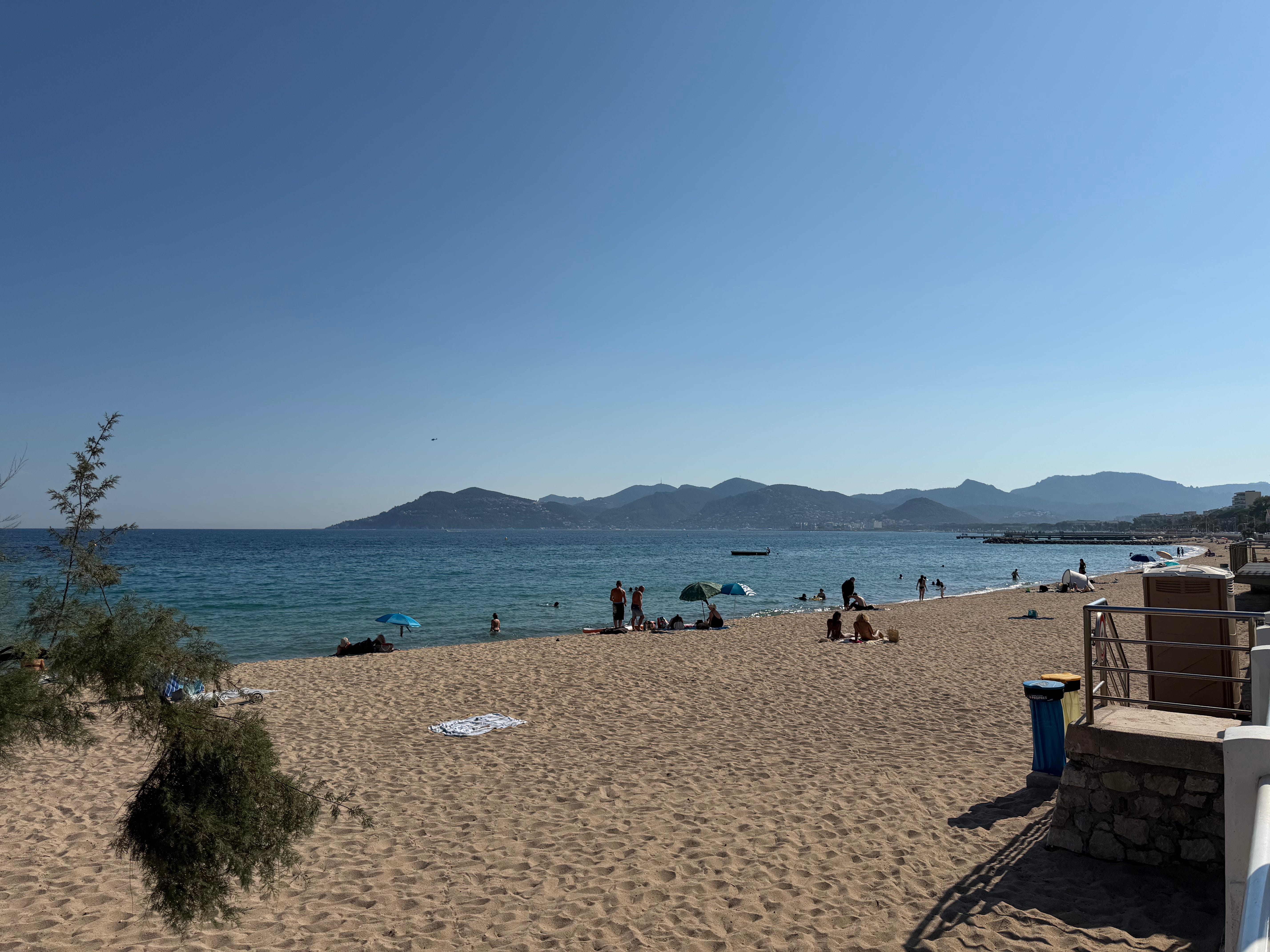
Taking an hour out of the action to stretch my legs up the coast - taking in the wider benefits of a trip to the French Riviera in summer
What the broader themes mean for B2B marketers specifically
AI dominated the conversation at Cannes Lions 2026, but the discussion had matured. The debate has shifted from whether AI threatens creativity to how to work with technology moving forward. For B2B, that’s actually quite a useful inflection point. The question of whether AI belongs in B2B pipeline and intent infrastructure isn’t really being debated anymore — the more interesting conversations were about which AI-native capabilities are actually differentiated versus what’s table stakes.
The other theme worth noting for B2B audiences: the growing role of signal infrastructure in understanding and reaching professional audiences. The conversations I was having — around intent data, account scoring, supply path construction, contextual B2B targeting — felt more mainstream than they would have done even three years ago. The adtech community is increasingly literate on B2B-specific challenges.
If you’re a B2B marketer or an agency that operates in B2B, Cannes is worth your time in a way it probably wasn’t five or six years ago. The infrastructure has shifted, the US corporate weight is significant, and the B2B-specific programming is now real. The question isn’t whether to go — it’s how to go effectively.
Five things to do differently in 2027
Book accommodation NOW for 2027, or in March at the latest. Central, professional rental (not a consumer Airbnb you can’t rely on), within a mile of the Palais. The difference this makes to your ability to operate is disproportionate to the inconvenience of booking early.
Plan for an apartment to host in. If your budget allows, a space you can offer as a meeting room for others is one of the highest-leverage moves at the event. Being the place people come to, rather than the person navigating to someone else’s territory, shifts the meeting dynamic. It is perfectly acceptable to share out there - even the biggest yachts from the best of the best often sub-lease their top decks. Apartments get turned into co-working meeting suites. You do not need to eat the whole cost
Anchor your schedule, don’t fill it. Three or four confirmed, high-value meetings per day is better than eight that you’re scrambling to hold together. Build around the anchors. Cannes is a quality over quantity play for the partners that could go strategic
Get on WhatsApp groups early. The informal networks that form ahead of Cannes — people sharing who’s going, setting up group threads — are where the ambient intelligence lives. Being in those conversations before you land is worth more than any scheduled meeting.
Use it for supply chain relationship building, not just awareness. The people you need to have strategic conversations with about programmatic infrastructure, data partnerships, and platform access are all in a small area for five days. A relationship you build in that context often moves faster than twelve months of Zoom calls.
B2B at Cannes in 2026 felt like a category finally arriving. It’s noisier than it was, more competitive for space and attention, and the logistics are harder than the folklore suggests. But the upside — access to senior decision-makers, the ability to have strategic conversations in a compressed timeframe, the signal you send by being there — is v real.
If you’re building a B2B brand, an agency offering, or a platform business in adtech, I’d make a plan to be there in 2027. Just book the accommodation early.
More from The B2B Stack coming your way over the next few weeks — there’s a lot to cover from H1. Thanks for reading.