This Week In B2B: WPP $100m Lawsuit & Whistleblower Blows Open Principal Media + TradeDesk Crash + Google Decision Time + Search Gets Whipped by AI
The week the open web blinked
This wasn’t a “feature launch” week but it was a pressure week.
The Trade Desk stock cratered.
WPP’s principal trading model exploded into public litigation.
The Google ad tech remedy ruling looms.
Search budgets are visibly shifting and getting disembowelled by AI, and they money is moving into social + omnichannel programmatic
DOOH infrastructure just quietly levelled up.
Individually? Headlines. Collectively? Structural strain on the open ecosystem.
Let’s break it down. The stories that caught my attention this week
STORY 1: The Trade Desk just fell 16% — and it’s not about one quarter
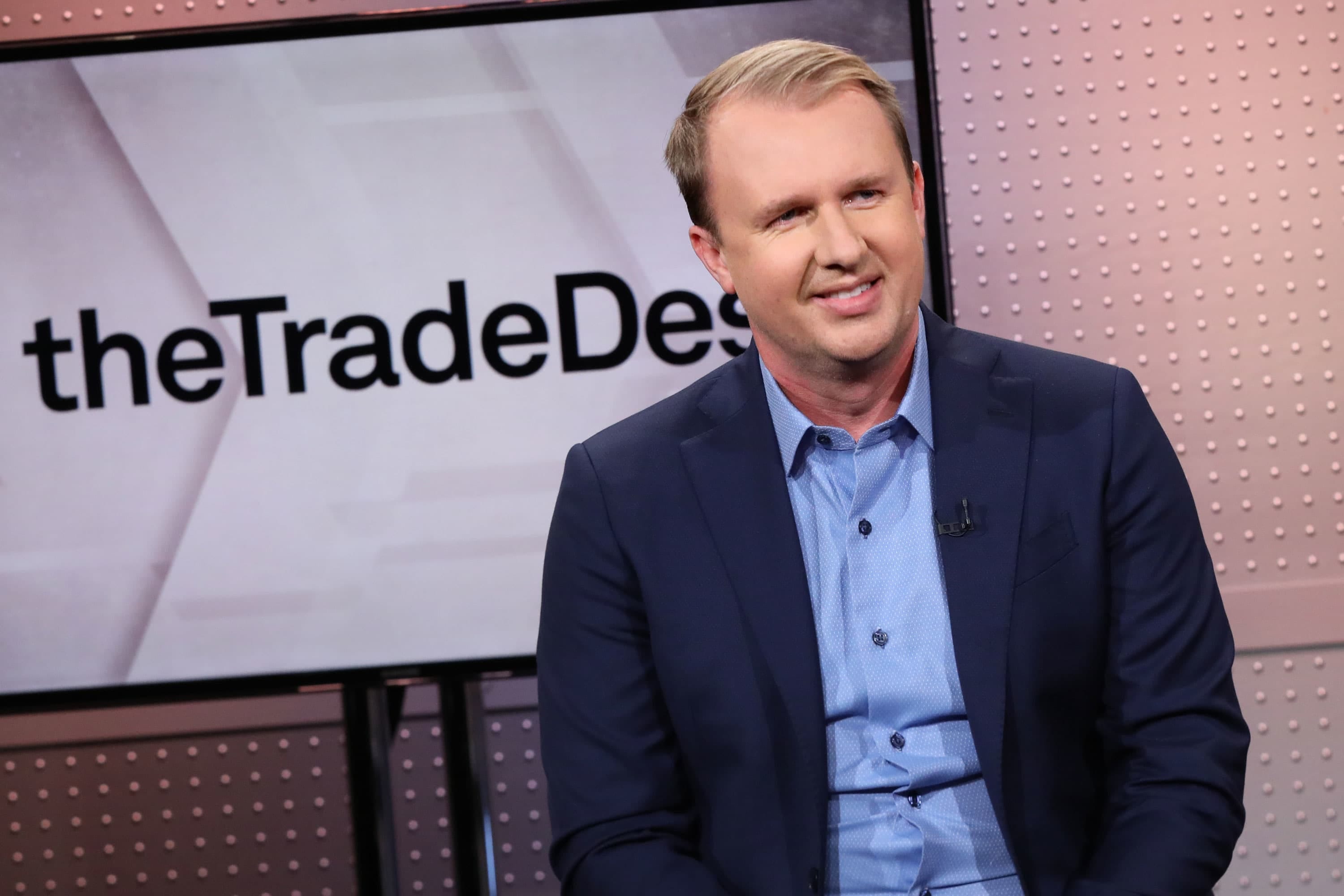
The Trade Desk reported Q4 2025 revenue of $847m, beating consensus. So far so good, as their guidance was c. $842m
But guidance for Q1 2026 — “at least $678m” — implied growth slowing to roughly 10% YoY. The DSP layer is under massive pressure - supply containerisation, curation and new agentic plays are moving money in new ways. Greater AI adoption from savvy teams lets them own and manage segments and usage into TradeDesk much more themselves then in the past too, lowering barriers to doing more yourself and consuming less TradeDesk resources - and thus spending less money with the biggest indy DSP
The stock dropped more than 16%. Its reflective of a hype cycle over recent years but also a very real headwind
The Trade Desk earnings / stock reaction
FinancialContent (TTD earnings coverage)
AdExchanger (earnings / DSP analysis coverage)
On the earnings call, CEO Jeff Green faced pointed questions about:
Competitive pressure from Amazon’s DSP — which is in market with INCREDIBLY aggressive terms, with bid reductions as low as 0% (yes really)
Whether streaming-driven tailwinds are fading
Structural pressure on open-internet programmatic
Why this matters for B2B
TTD is the DSP of choice for open-web B2B. Its most flexible, customisable and lacks the black box of Google’s DV360
If growth is decelerating sharply, it suggests:
Open web budgets are tightening
Retail media and walled gardens are gaining share
AI-disrupted search is fragmenting performance dollars
The early streaming-era “easy growth” phase may be ending.
That’s not cyclical.
That’s maturity.
STORY 2: The WPP whistleblower case just blew open principal trading
This is the most explosive story for any B2B advertiser running budgets through a holdco.
WPP is facing a $100m whistleblower lawsuit alleging that the group generated nearly $1 billion annually from undisclosed trading income.
Sources:
Best Media Info – Whistleblower claims
Digiday – GroupM proprietary inventory usage
Ad Age – Spending disclosures
The most staggering stat:
97.4% of GroupM’s proprietary inventory was not used by its own largest clients.
Google — its biggest U.S. client at $2.3bn in billings — used less than 1%.
The allegation:
Budgets aggregated → volume thresholds triggered → rebates received → inventory classified as proprietary → resold at margin → income recorded as “non-product related.”
Meanwhile, WPP Media boss Brian Lesser stated that principal media “is a growing part of our business.”
That comment now lands differently. And awkwardly
For B2B CMOs
If your programmatic runs through a holdco:
Do you know if principal trading is involved?
Do you see gross vs net cost?
Do you see rebates?
Do you see supply-path transparency?
This case forces contract audits.
Not in theory.
In practice.
STORY 3: Google’s ad tech remedy ruling is imminent
Judge Brinkema’s ruling on the DOJ’s case against Google’s ad tech stack is overdue.
The DOJ is pushing for divestiture of:
AdX (exchange)
Potentially DFP (ad server)
European regulators are holding parallel cases pending this decision.
Coverage:
AdExchanger – Google ad tech remedy
If AdX were separated, it would be the most significant structural change to programmatic since RTB launched. This inventory is the only really genuinely differentiated in the SSP space because it contains publishers Adsense placements, and not just typical banner spots. Publishers who have never heard of programmatic run adsense, and this brings unique and performant placements
For B2B buyers:
Your supply infrastructure could materially change.
This isn’t a UX update.
It’s plumbing.
STORY 4: AI pressure is shifting search budgets
Chris Modzelewski (Intentsify) outlined clear shifts emerging in 2026:
Search budgets moving to paid social, CTV, audio, DOOH - not banner display, but storytelling mediums and brand impact placements. This likely reflects the fact that brands now realise that always on brand is critical because high intent search is moving into private LLMs
Buying-group intent replacing single-lead logic
AI tools limited to exploration, not orchestration
Coverage:
PPC Land
The reality:
AI interfaces are intercepting research intent.
If fewer B2B buyers are clicking blue links, paid search loses signal density.
Those budgets don’t disappear.
They redistribute.
CTV and DOOH suddenly look less “brand” and more “presence.”
STORY 5: Programmatic OOH just got structurally smarter
The Out of Home Advertising Association of America introduced an updated OpenOOH taxonomy.
Instead of “transit,” screens can now be tagged as:
transit → airports → baggage claim
Coverage:
AdExchanger – OpenOOH taxonomy update
This is small on the surface.
But for B2B targeting senior decision-makers in airports, hotels, business districts?
Granularity equals precision.
Infrastructure upgrades compound slowly.
Then all at once.
The through-line
The open ecosystem is under simultaneous pressure:
• DSP growth decelerating - likely because savvy players are doing much more agentically and in the sell side
• Agency opacity exposed
• Antitrust uncertainty
• Search disruption via AI
• Channel redistribution
• Infrastructure reclassification
That’s not noise.
That’s systemic strain.
🧠 The contrarian take
The industry keeps saying:
“The open web is resilient.”
Maybe.
But resilience isn’t the same as dominance.
If:
DSPs slow
Agencies are litigated
Google’s stack fractures
Search loses intent gravity
Traffic lives in models not web pages - even if the web grew 19% last year…
Then B2B brands with long sales cycles and high CPMs are the most exposed to waste.
The old open-web growth narrative is weakening.
Accountability is the new growth lever.
🧰 Monday Morning Checklist (For B2B Teams)
1️⃣ Audit your agency agreements
Ask explicitly about principal trading, rebates, and proprietary inventory.
2️⃣ Model budget reallocation scenarios
If search underperforms due to AI shift, where does incremental spend go?
3️⃣ Stress-test your DSP exposure
What happens if AdX is divested? If supply pipes fragment?
4️⃣ Increase first-party signal capture
You need owned analytics and HVA scoring more than ever.
5️⃣ Revisit DOOH in business environments
Taxonomy precision just improved. That matters.
This wasn’t a hype week.
It was a stress-test week.
The open ecosystem didn’t collapse.
But it blinked.


